The Kiosk
a whole world in a booth.
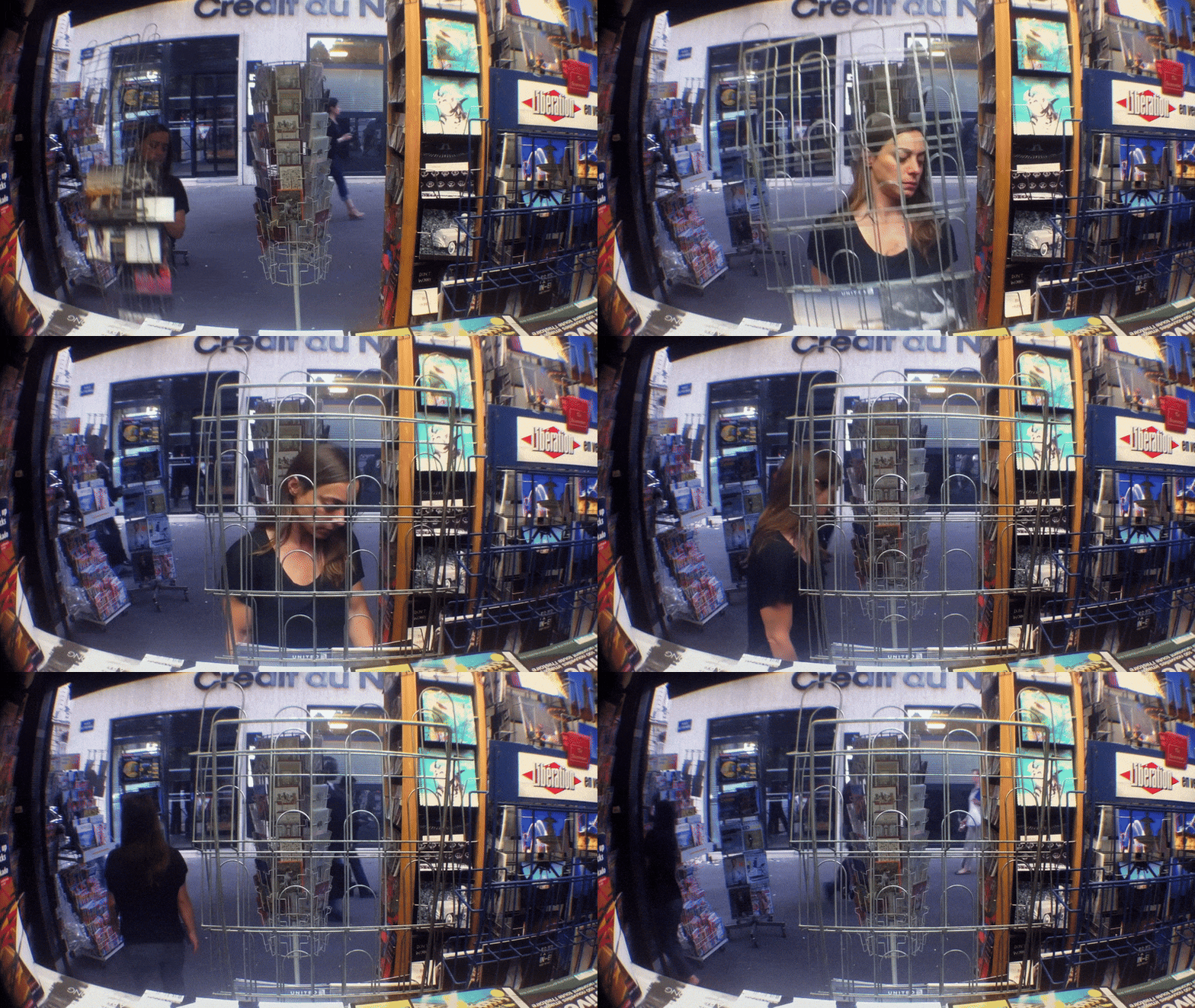
The Kiosk is a French guerrilla documentary by debutante Alexandra Pianelli. Over four generations, her family has run a tiny newspaper kiosk in the 16th arrondisement of Paris. When Pianelli, an art student of ten years, decides to help her mother at the booth, she begins filming the experience on her iPhone and GoPro.
What she captures is the whole world contained within a space barely two metres wide. This kiosk, stacked with the printed news of the world, becomes a stage. Supermodels and rogue politicians stare out from magazine covers, forming part of the mise-en-scène, while a procession of characters drift in and out of frame, both the poor and the rich and all those in between.
![]()
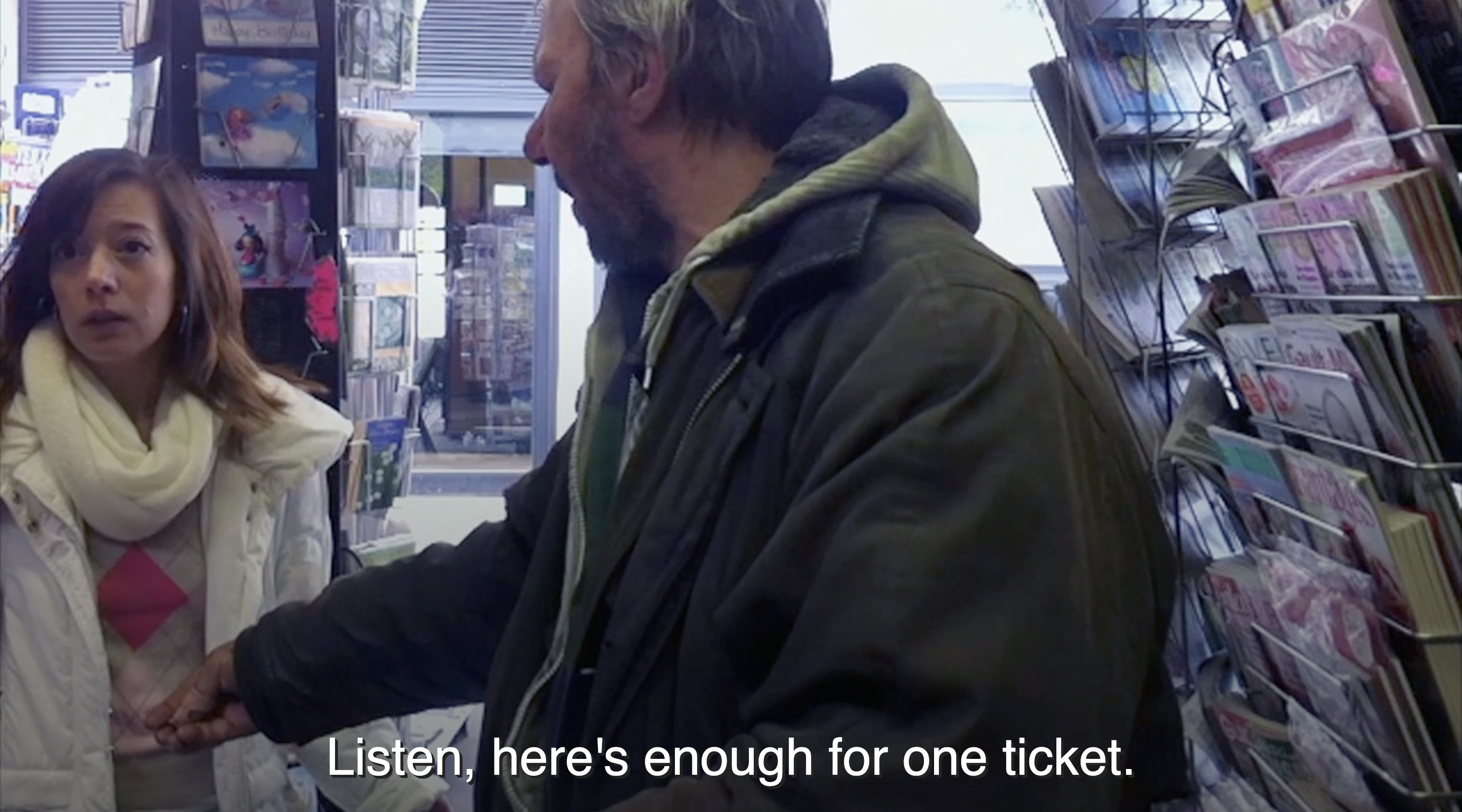
There’s Damien, the generous homeless man who pays for a stranger’s train ticket with coins when her Amex is refused. Mariouch, who brings Alexandra baked goods and flirts with her. Christiane, an elderly woman who simply wants to talk and Islam, a Bangladeshi refugee who hides his fruit in the booth so the french police don’t harass him about selling on the street.
These are all citizens of Paris, and of the world, who pass through this booth and in turn, pass into our lives. Sitting with the film, we see them all, and smile and wonder.
![]()
It’s a tiny gem of a documentary, an ode to human connection, a quiet portrait of a country and an elegy the dying print media as we lunge headlong into the digital age and now, AI.
It is a reminder that it’s usually always the smallest of spaces that hold entire lives and gets us closer to seeing our own human condition, and our fellow brothers and sisters walking the same road of life with us.
C’est la vie.
What she captures is the whole world contained within a space barely two metres wide. This kiosk, stacked with the printed news of the world, becomes a stage. Supermodels and rogue politicians stare out from magazine covers, forming part of the mise-en-scène, while a procession of characters drift in and out of frame, both the poor and the rich and all those in between.
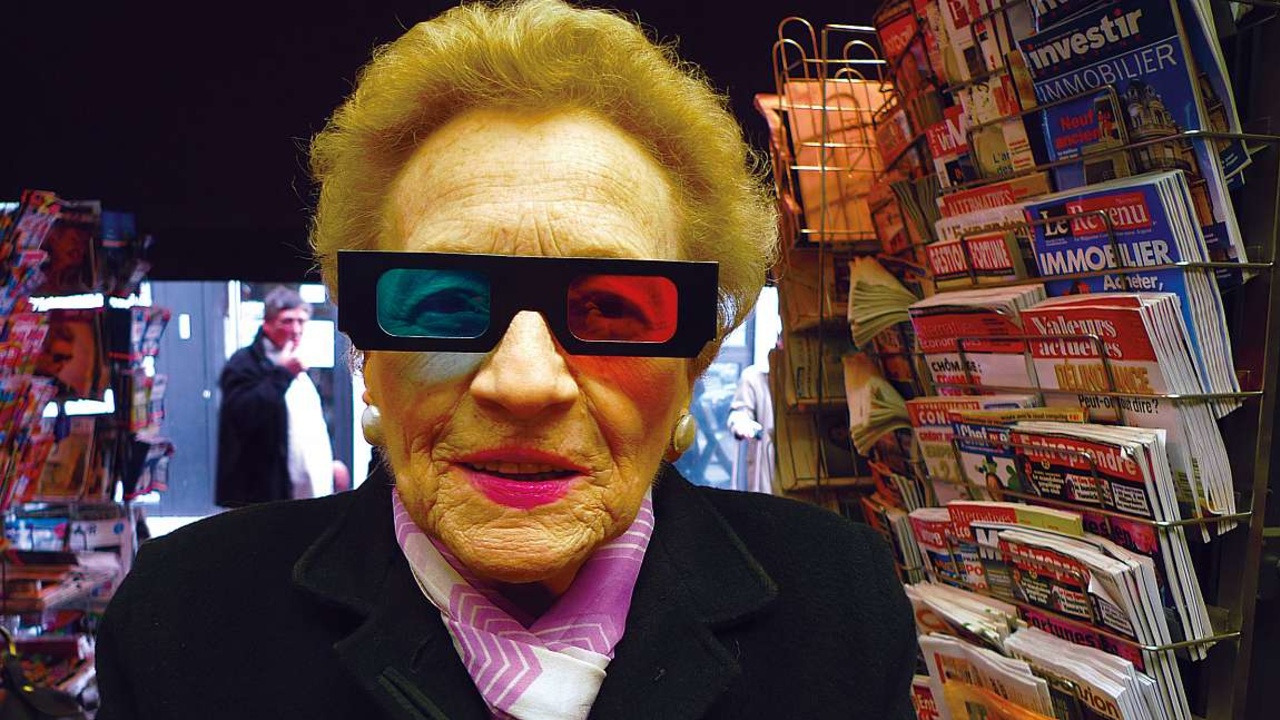
There’s Damien, the generous homeless man who pays for a stranger’s train ticket with coins when her Amex is refused. Mariouch, who brings Alexandra baked goods and flirts with her. Christiane, an elderly woman who simply wants to talk and Islam, a Bangladeshi refugee who hides his fruit in the booth so the french police don’t harass him about selling on the street.
These are all citizens of Paris, and of the world, who pass through this booth and in turn, pass into our lives. Sitting with the film, we see them all, and smile and wonder.
It’s a tiny gem of a documentary, an ode to human connection, a quiet portrait of a country and an elegy the dying print media as we lunge headlong into the digital age and now, AI.
It is a reminder that it’s usually always the smallest of spaces that hold entire lives and gets us closer to seeing our own human condition, and our fellow brothers and sisters walking the same road of life with us.
C’est la vie.
Wed 24 Dec, 25